Traveling with Hearing Aids in Humid Climates
Packing for a trip to somewhere warm and humid involves a different kind
By: admin | April 22, 2026
Packing for a trip to somewhere warm and humid involves a different kind of mental checklist than packing for somewhere dry. You think about what to wear, what your skin might need or how the heat will feel after a few hours outside.
Hearing aids are easy to overlook until something goes wrong in the middle of a trip. Humidity can affect hearing aids more than you might expect, especially if you are used to a milder climate.
A beach trip or rainy destination can expose them to conditions that may require a bit more planning. The issues that come up most often are not dramatic. It is more like things start to feel slightly off. Sound quality dips. A device cuts out at an inconvenient moment.
None of that has to derail a trip, but it is a lot easier to manage when you have thought about it before you land rather than after you are already there.
Traveling to a humid location introduces specific environmental factors that can interfere with how your hearing aids perform. It isn’t just about the heat; it is about how the moisture and the elements in a new setting interact with the delicate components of your devices.
When you are away from home, a change in environment can make a small issue escalate faster than expected:
Humidity is not just about how the air feels on your skin. It comes down to how much moisture is in the air around you. Hearing aids are sensitive to dampness, and you often don’t notice the effect until the sound starts to cut out.
The components inside your devices, the microphone, the receiver and the battery contacts, are small and precise, and moisture does not need much of an opening to start affecting them.
What makes it tricky when you are traveling is that the changes tend to be gradual rather than sudden. Sounds might seem slightly muffled compared to what you are used to, or your batteries may not last as long as they normally do.
In higher humidity, condensation can actually collect inside the casing, which most people only discover when they open the battery compartment and find visible dampness.
Moisture is a constant factor when you are wearing hearing aids, especially in environments where sweat, rain or damp air are part of the day.
Because the devices sit on or in the ear, they are regularly exposed to whatever your skin and surroundings are exposed to. That means even normal activities can bring your hearing aids into contact with moisture without it being obvious in the moment.
Hearing aids are built for everyday use, but they still rely on small, precise components to function properly. When moisture enters those areas, it can interfere with how sound is processed and how the device operates.
These examples are only part of why moisture tends to be a factor in hearing aid performance. It is not tied to one specific situation, but rather the cumulative exposure that happens through regular wear in different environments.
A humid environment can affect how your hearing aids perform in ways that are easy to notice once they start happening.
You might be in a place where the air feels heavier, you are outside more often and moisture is constantly in the background from the weather alone. That kind of setting can lead to small changes in how your devices sound or respond throughout the day.
In humid conditions, these changes often show up in a few common ways:
Some hearing aids are better suited for hot weather because of how they are built and how they handle moisture and heat.
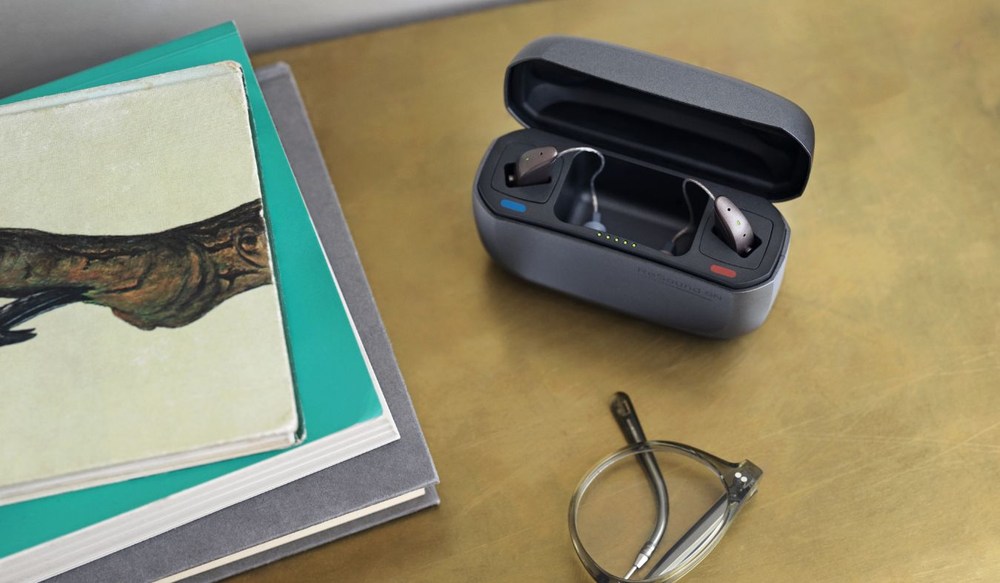
Devices that sit behind the ear are often a practical choice in warmer climates since they allow more airflow around the ear and tend to keep some of the heat and moisture away from the internal components.
Many of these models also come with higher moisture resistance ratings, which can matter when you are dealing with sweat or humidity on a regular basis.
Styles that are smaller and sit deeper in the ear can feel more noticeable in hot conditions since they sit in a warmer, more enclosed space. That does not make them a poor choice, but it can affect comfort and how much moisture builds up during the day.
Some devices also come with features like improved coatings or tighter seals that help protect against moisture exposure, which can be useful if you travel often or spend a lot of time in warmer climates.
The term waterproof gets used loosely in the hearing aid world, and it is not always as straightforward as it sounds.
Most hearing aids marketed as waterproof or water-resistant can handle rain, sweat and humidity reasonably well, but are not designed to be submerged. Wearing them in the ocean or a swimming pool is a different situation entirely from wearing them in a humid climate or getting caught in the rain.
Water resistance is a feature, not a lifestyle solution. If your daily life involves a lot of outdoor time, physical activity or regular moisture exposure, better protection makes sense as part of your decision.
But hearing aids should fit your whole life, not just one trip or one situation. If added moisture protection happens to align with everything else you need in a device, that is a good reason to factor it in. On its own, it is not enough to build a decision around.
Humid climates can make everyday use of hearing aids feel different, especially when moisture is in the air throughout the day. Being in these conditions for long periods can affect how devices perform, which is why having the right accessories nearby can make a noticeable difference in how they hold up.
A few accessories can help support your hearing aids when humidity is part of your routine:
Warm locations can change how your hearing aids feel and perform, especially when you are spending more time outdoors or moving between hot and cooler spaces throughout the day. Heat often comes with added moisture from sweat, which can collect on or around your devices and affect how they respond. You may notice that they feel a bit different on your ear or do not sound quite as steady during long periods in the heat.
A few ways you can help protect your hearing aids in warm conditions:
If your hearing aids start to malfunction while you are on a trip, start by taking a closer look at what is happening. Sometimes the issue comes from something simple like moisture, a low battery or a small blockage in the device.
Other times, the problem may be more noticeable and does not improve after basic checks. If that is the case, it is a good time to look for professional support rather than trying to manage it on your own.
Finding an audiologist in a different area is usually easier than expected. Your regular audiologist may be able to recommend someone in the area you are visiting. You can also search online for local providers or ask hotel staff or people nearby for suggestions.
Many areas have clinics that can see new patients, even on short notice, which can help you get your hearing aids checked and back to working the way they should.
Whether you live in Florida year-round or you are visiting for the first time, humidity is something your hearing aids will notice even if you do not right away.
The good news is that most issues that come up in warm, wet climates are manageable once you know what to look for and have a plan that does not involve hoping for the best.
If you are already in Florida or visiting and something is not sounding right, Doc Side Audiology is here to help. Give us a call at (941) 366-2240 or (813) 588-6198. We know exactly what the Florida humidity does to hearing aids and can help you get back to your day without missing a thing.
Tags: hearing aid basics, hearing aid repair, hearing aid styles
Packing for a trip to somewhere warm and humid involves a different kind
By: admin | April 22, 2026
So you just got your new hearing aids, you put them in and the first time
By: admin | February 27, 2026
Virtual meetings are now a regular part of work, school and staying in
By: admin | December 21, 2025