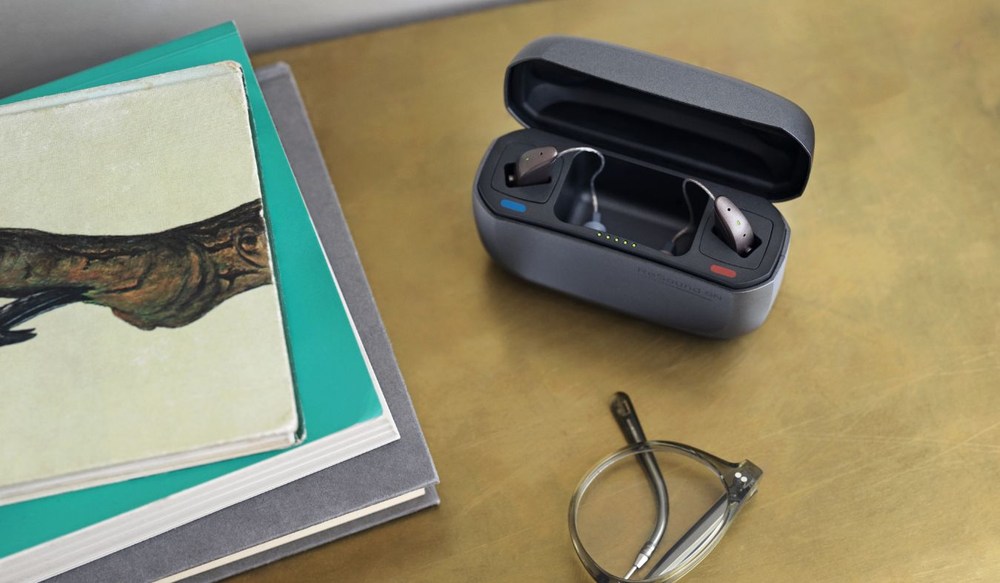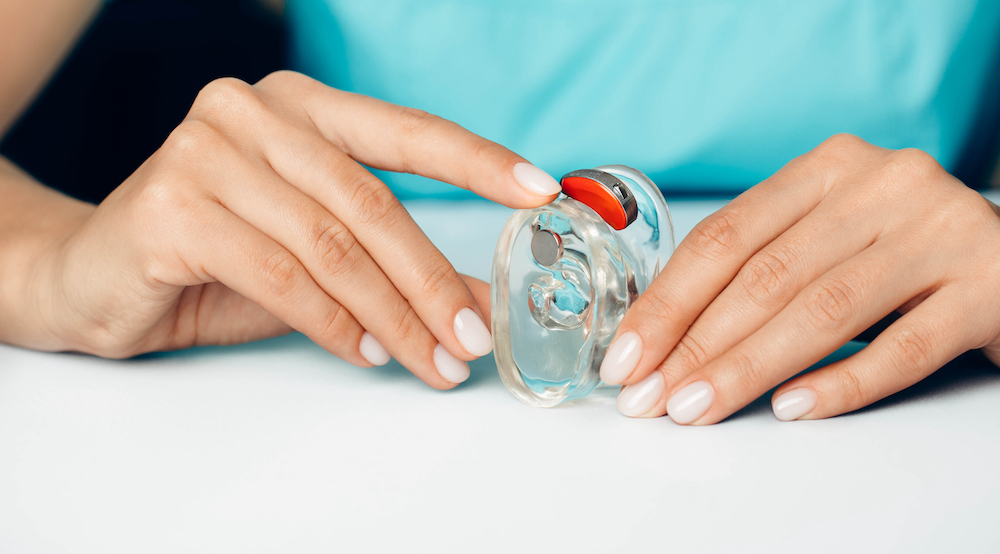
Gulf Coast heat and humidity can change how hearing aids feel more than you might expect. Sweat, moisture and salt in the air can all affect the way a device sits in your ear as the day goes on.
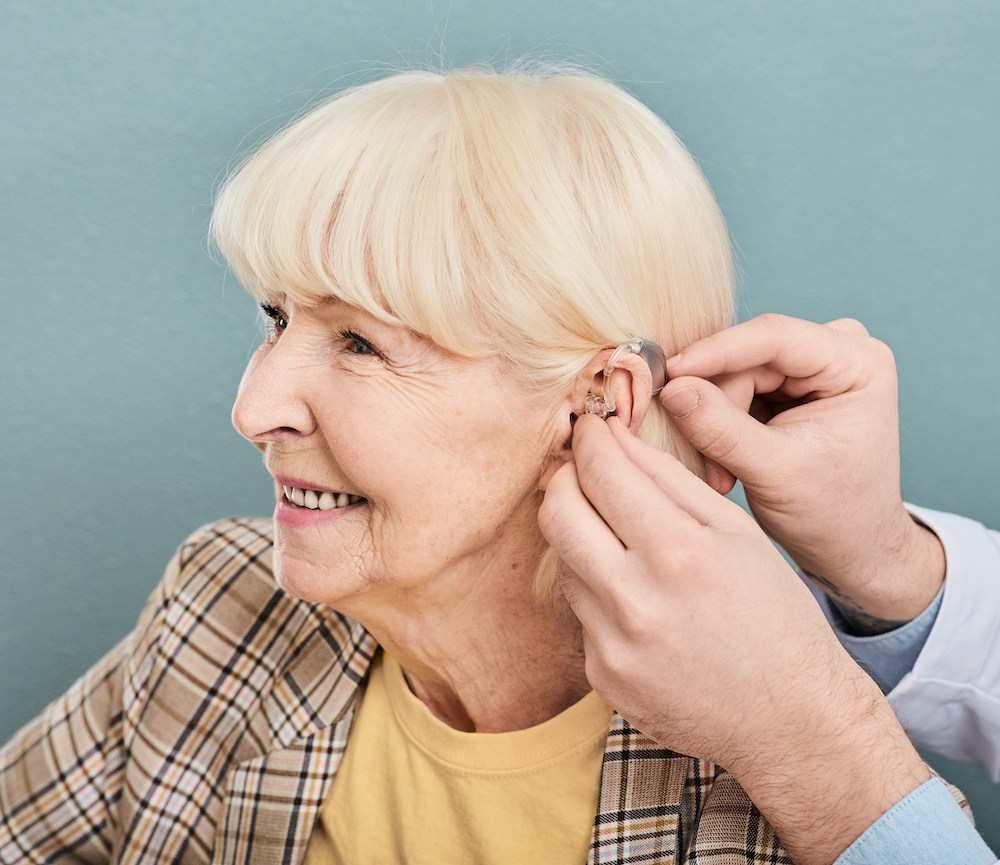
A hearing aid that feels secure indoors might start to feel loose, itchy or uncomfortable after you have been outside for a while. The ear canal can also change slightly in hot, humid conditions, which can affect the fit.

So if a hearing aid felt just right in the spring but feels different by midsummer, the device itself may not be the problem. A small fit adjustment could be all that is needed to make it comfortable again.

Why Hearing Aids Can Feel Different in Summer

Hot, humid weather does more than make hearing aids feel warm against your skin. As you sweat, moisture can collect around the dome, earmold or tubing and change how securely everything stays in place.

You might notice a hearing aid shifting when you walk, chew or spend a few hours outdoors. A device that stays put in the morning could feel different later in the day, especially after time in the heat.

That change does not necessarily point to a problem with the hearing aid. Sometimes the combination of moisture, movement and changes inside the ear is enough to affect how it sits.

What Heat Does Inside Your Ear Canal

Your ear canal is lined with skin, and that skin responds to heat just like the rest of your body. Increased blood flow and perspiration can leave the tissue slightly swollen or damp, giving a dome or earmold a little less room than usual.

That difference might be tiny, but hearing aids sit in a very small space. Even a slight change can create rubbing, pressure or a spot that starts bothering you after several hours of wear.

Sweat and natural skin oils can add to the problem by changing how the hearing aid moves against the ear. What felt comfortable in cooler weather might suddenly need a little attention once summer is in full swing.

Signs Your Hearing Aid Fit Needs Attention

Fit problems usually give you a few clues before your ear becomes truly sore. You might notice something feels different when you put your hearing aids in, or that you are adjusting your devices more often during the day.

A few things to watch for include:

  • Whistling that was not there before, especially when you talk, chew or move your jaw
  • A sore or itchy spot that keeps bothering you in the same place
  • A hearing aid that keeps working its way loose instead of staying where you put it
  • Sound that suddenly seems muffled or different even though your settings have not changed
  • Pressure or pinching that becomes more noticeable the longer you wear the device

Keeping Sweat From Becoming a Problem

Hot weather usually means more sweat around your ears, especially after time outside, exercise or errands. Because hearing aids sit so close to the skin, that moisture can collect around domes, earmolds and other contact points.

After several hours, damp skin can start to feel itchy or irritated. If you notice moisture around your ears, gently drying the area with a soft cloth before putting your hearing aids back in can make them more comfortable to wear.

Sweat can also work its way into small openings on the hearing aid. When that happens, sound might seem muffled, distorted or inconsistent until the device dries out. A hearing aid drying system or dehumidifier used overnight can help remove moisture that builds up during the day.

How Hearing Aid Styles Deal With Summer Weather

Different hearing aid styles are exposed to heat and moisture in different ways. Behind-the-ear models sit against the side of your head, so they are more likely to come into contact with sweat during a walk, workout or afternoon outside.

It helps to check the casing and the area behind your ear from time to time rather than waiting until the device feels damp. A quick wipe can keep sweat from sitting against both your skin and the hearing aid for hours.

In-the-ear hearing aids have less direct exposure to sweat running down the side of your face, but they spend the day in a warm, enclosed space. Moisture and earwax can collect around the openings more easily, particularly after you have been outside for a while.

Take a closer look when you remove them at the end of the day. If you see moisture or wax around the microphone ports, vents or wax guard, clean the areas your audiologist has shown you how to maintain rather than pushing anything farther into the device.

A Quick Fit Check Before You Head Out

You don’t need a whole routine for this. Take an extra minute when you put your hearing aids in each morning so you notice right away if something feels off before it turns into a sore spot.

A few simple things are worth checking:

  • Put each hearing aid in normally and notice whether it settles into place easily. If you have to keep pushing or repositioning it, the fit may have changed.
  • Talk, smile or move your jaw and see if the device stays secure. It should not keep lifting or working its way loose.
  • Pay attention to any new pressure, rubbing or soreness, especially if it keeps showing up in the same spot.
  • Listen for whistling or feedback during normal movement. New feedback can be a sign that the hearing aid is no longer sitting as securely as before.
  • Check both ears separately. One hearing aid can start fitting differently even when the other still feels fine.

Small Summer Habits That Protect Your Hearing Aids

Sweat tends to find its way everywhere in hot weather, including around your ears. If you are exercising or spending a long stretch outside, a sweatband or headband can help keep moisture from running directly toward your hearing aids.

It also helps to keep a small towel nearby so you can dry your face, neck and the area around your ears when needed. If you are heading into the pool, ocean or shower, take your hearing aids out first and store them somewhere dry and protected.

Sunscreen and lotions deserve a little attention too. Wash and dry your hands before handling your hearing aids so oily residue does not transfer to the microphone openings, controls or other small parts.

Where You Store Hearing Aids Matters in the Heat

A parked car is one of the worst places to leave hearing aids during a Florida summer. Even a short stop can leave the inside of the vehicle much hotter than the temperature outside.

Direct sunlight is another problem. Avoid leaving hearing aids on a windowsill, outdoor table or anywhere else that stays hot for long periods. When they are not in your ears, keep them in their case somewhere shaded and temperature controlled.

Rechargeable hearing aids should go back into their charger according to the manufacturer’s instructions. If you use disposable batteries, follow the care instructions for your particular devices rather than changing how you store them simply because the weather is warmer.

When a Summer Fit Problem Needs More Than a Quick Fix

A hearing aid that shifts once after a sweaty afternoon is different from one that keeps slipping, rubbing or whistling day after day. If the same problem continues even after your ears and devices are clean and dry, the physical fit deserves a closer look.

Custom earmolds can sometimes be modified when a specific area is pressing or rubbing. In other cases, a dome size, tubing length or another part of the fitting may need to be changed instead.

Persistent redness, broken skin, swelling or pain should not be treated as something you simply have to get used to. Your local audiologist can look at both your ear and the hearing aid to figure out whether the problem comes from the fit, the device or irritation inside the ear canal.

Changes in sound are another reason to have things checked. Ongoing feedback, sudden drops in volume or sound that remains distorted after the hearing aid is dry could point to something beyond a seasonal fit change.

Staying Comfortable with Your Hearing Aids in Hot Weather

If your hearing aids have started to feel different since the weather turned hot, that is worth a quick look. Heat and humidity can change how your ear canal fits a device, and a small adjustment to the dome or shell can fix issues like slipping or feedback.

Doc Side Audiology can check your fit and make sure it matches what your ears are doing this time of year. Reach our Sarasota office at (941) 366-2240 or our Sun City Center office at (813) 588-6198.